




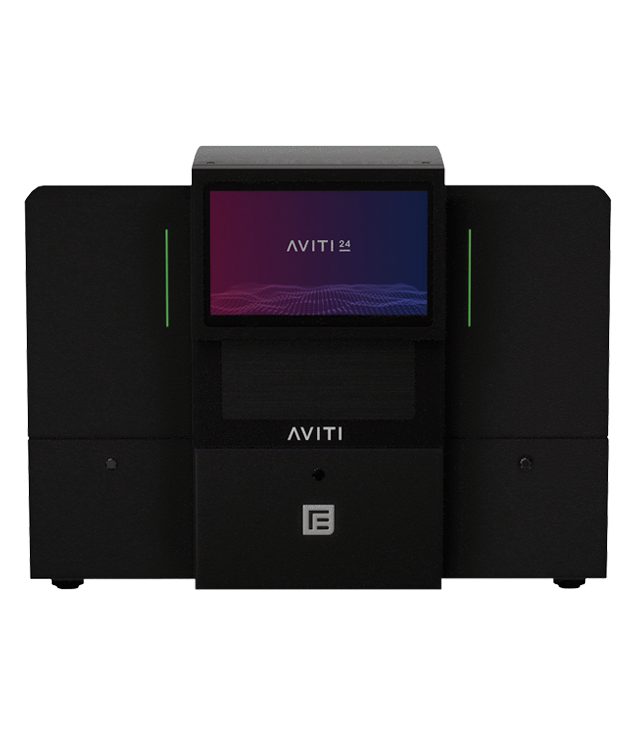
Powered by the flexibility of ABC sequencing, AVITI24 is the first and only platform to enable co-detection of RNA, protein, and morphology and NGS in one dual-sided run.
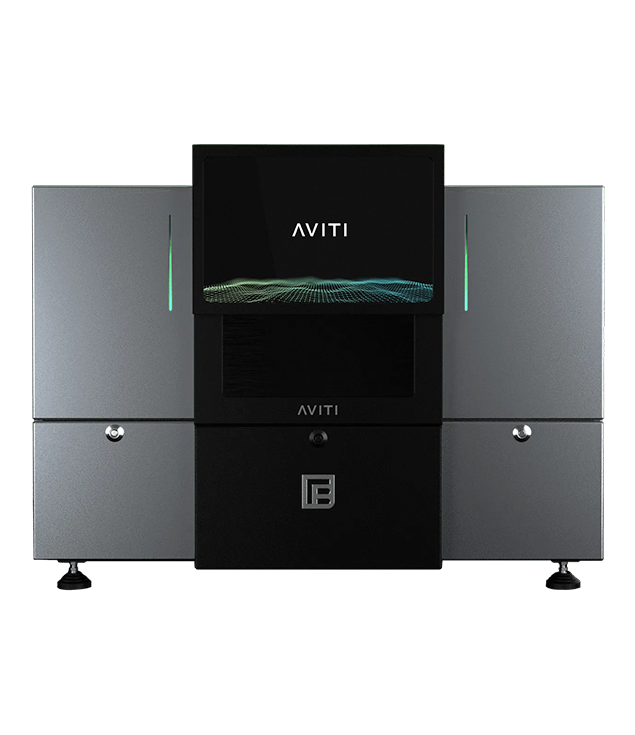
AVITI is a benchtop sequencing instrument with reimagined core technology to deliver flexibility and affordability while setting the standard for data quality.

Offering the same technology and features as AVITI, AVITI LT provides an ABC sequencing solution to suit your budget. The only difference is throughput.

High accuracy: ABC’s combination of RCA, optimized enzymatic steps, and multivalent avidite binding leads to superior data quality. Studies have shown higher mapping and variant calling accuracy, especially in challenging regions like homopolymers, when compared to other platforms.
Lower sequencing costs: The high stability of the avidite complexes enables the use of nanomolar concentrations of reagents, a massive reduction compared to traditional SBS. This significantly lowers the cost per gigabase.
Increased flexibility: The dual, independent flow cell design of the AVITI systems, combined with ABC’s robust chemistry, allows for flexible throughput and the ability to run two different experiments simultaneously. This reduces the need for batching and improves lab efficiency.
Reduced artifacts: The PCR-free RCA eliminates amplification bias and error propagation that can affect PCR-based methods, resulting in higher library complexity and lower duplication rates.
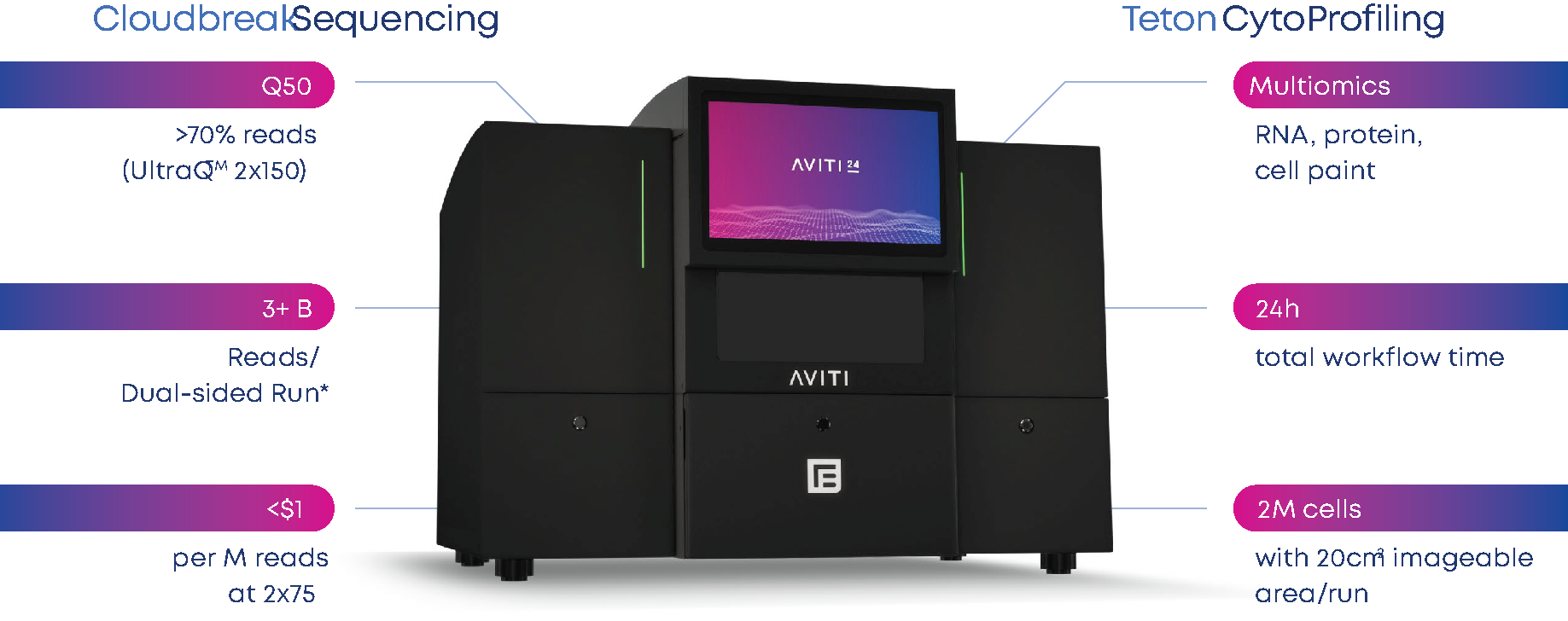
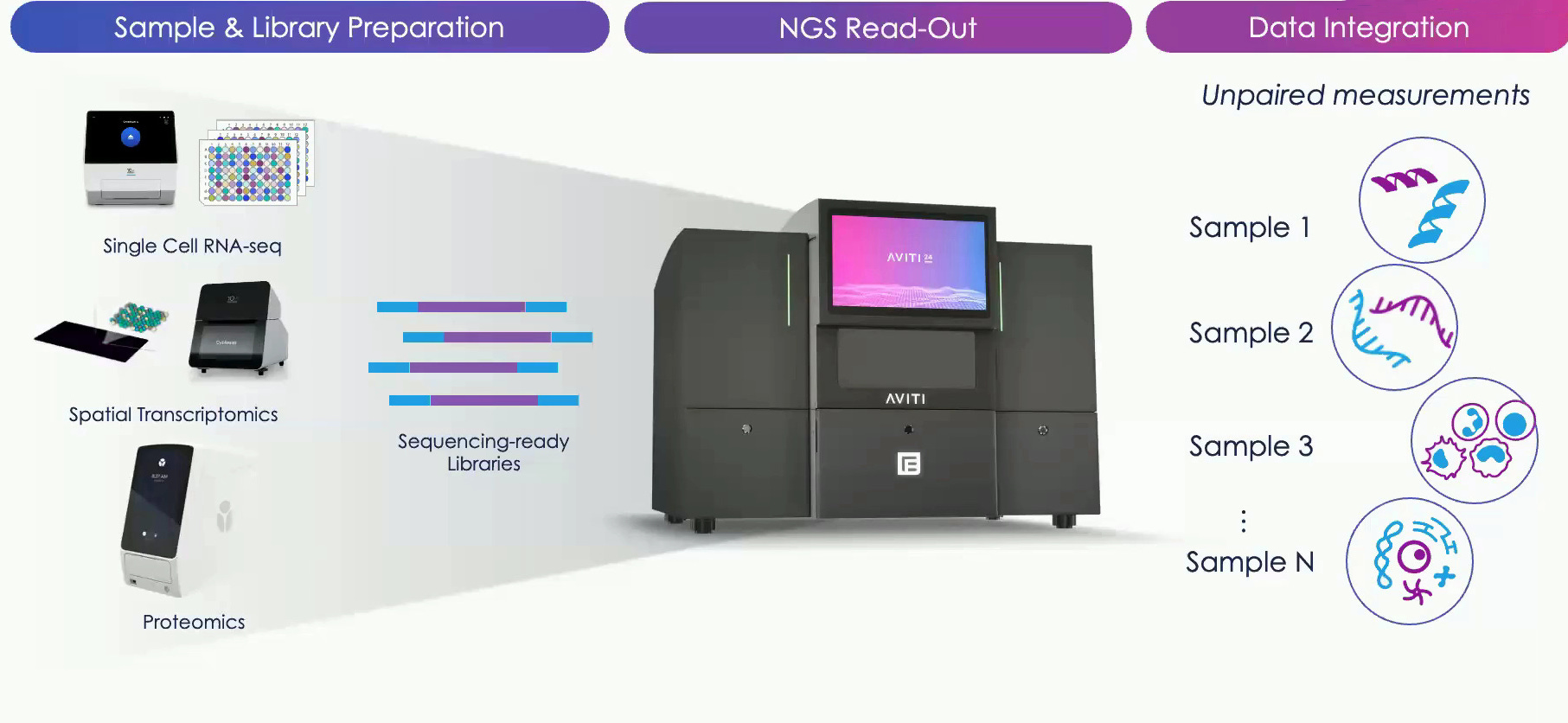
Element Biosciences’ Cloudbreak and Cloudbreak Freestyle are kits for the AVITI System that employ avidite base chemistry (ABC) to provide fast, high-accuracy sequencing. The primary difference lies in the workflow and library compatibility: Cloudbreak Freestyle simplifies the process by performing a key step on-instrument, while the original Cloudbreak requires more manual preparation.
Cloudbreak sequencing
The standard Cloudbreak workflow requires that libraries be circularized on the benchtop, before being loaded onto the AVITI System.
Cloudbreak Freestyle sequencing
Cloudbreak Freestyle represents an evolution of the Cloudbreak technology that removes manual steps and increases compatibility.
Expert mode HD (High-Output mode)
This is not a separate kit, but a feature enabled on the AVITI System that boosts performance for all Cloudbreak sequencing kits.
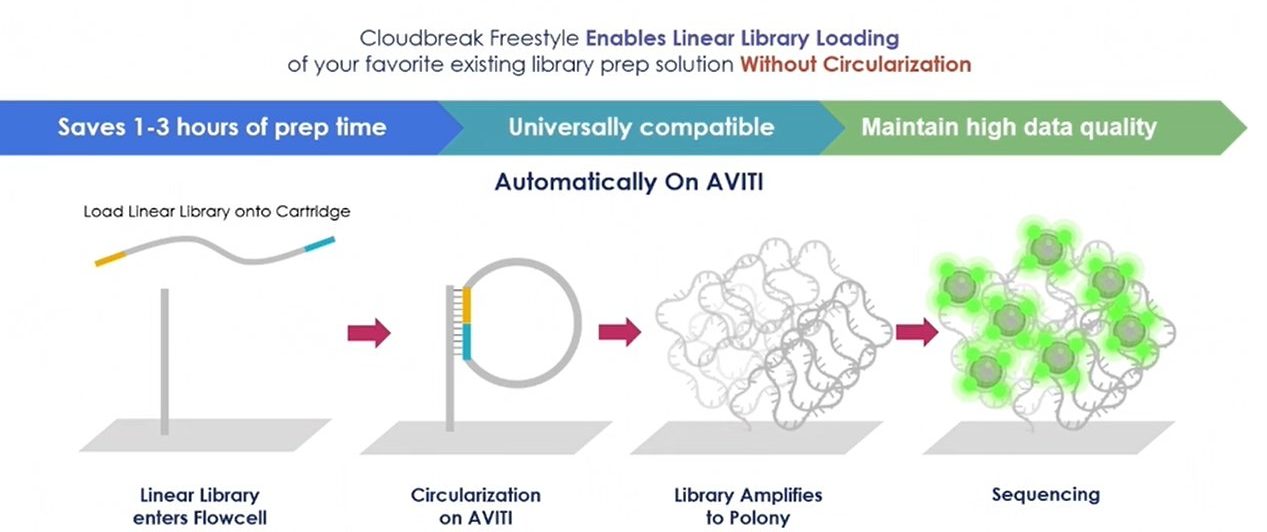
| Feature | Cloudbreak | Cloudbreak Freestyle | Cloudbreak Freestyle + High-Output Mode |
|---|---|---|---|
| Library Format | Requires libraries to be circularized before loading. | Directly accepts linear libraries for sequencing. | Same as Cloudbreak Freestyle, accepting linear libraries. |
| Workflow | Requires manual, benchtop library conversion. | Automated, on-instrument circularization, eliminating manual steps. | Same streamlined workflow as Cloudbreak Freestyle. |
| Library Compatibility | Standard Elevate, Nextera, and TruSeq libraries. | Enhanced compatibility with most third-party libraries and some small RNA adapters. | Same broad compatibility as Cloudbreak Freestyle. |
| Output | Standard output. | Standard output. | Up to 70% more reads per run, depending on the kit and settings. |
| Cost | Standard cost-per-gigabase. | Standard cost-per-gigabase. | Significantly reduced cost-per-gigabase due to higher output. |
| Configuration | Depends on the selected kit (e.g., read length). | Depends on the selected kit (e.g., read length). | Software-enabled option available on the AVITI and AVITI24 Systems. |
Trinity workflow is a novel hybrid capture solution for targeted sequencing that automates and streamlines traditionally complex, manual steps directly on the AVITI sequencer. By moving the enrichment steps from the benchtop to the instrument, it significantly reduces hands-on time, decreases turnaround time, and improves data quality.
Key features of the Trinity workflow
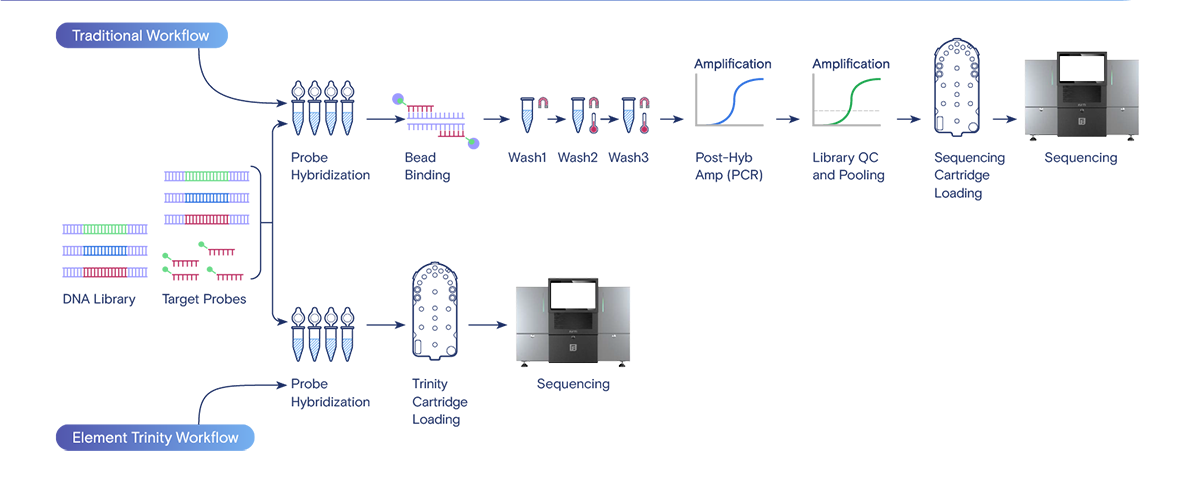
| Feature | Traditional Hybrid Capture | Trinity Workflow |
|---|---|---|
| Post-hybridization steps | Manual process involving bead binding, washes, and post-capture PCR amplification. | Integrated and automated on the AVITI system, eliminating manual steps. |
| Hands-on time | Labor-intensive, taking several hours of hands-on time over two or more days. | Significantly reduced to as little as one hour of hands-on time for the entire capture workflow. |
| Turnaround time | Multiple days to complete the library preparation, enrichment, and sequencing setup. | As fast as a single day from library to data, with a 1-hour fast hybridization option. |
| Data quality | Prone to lower library complexity and higher duplication rates due to post-capture PCR. | Features higher library complexity, lower duplication rates, and improved variant calling accuracy. |
| Equipment | Requires a thermocycler, magnets, and other benchtop equipment for the wash steps. | Integrates the capture process into the AVITI system, eliminating the need for specialized external equipment. |
Advantages
Element Biosciences’ Teton is a technology, featured on the AVITI24 System, that uses avidite base chemistry (ABC) and high-resolution imaging to enable Teton Cytoprofiling. Teton Cytoprofiling is a spatial multiomics method for analyzing RNA, protein, and cell morphology within a single experiment at single-cell resolution.
Teton
The Teton name refers to the core technology that enables the multiomic capabilities on the AVITI24 System. It is the foundation for performing cytoprofiling experiments and consists of specialized onboard chemistries and detection probes.
Key components of the Teton technology include:
Teton Cytoprofiling
Teton Cytoprofiling is designed to provide comprehensive, in-situ multiomic analysis directly on cells fixed to a flow cell, without the need for extensive library preparation. This integrated approach provides a complete view of cell biology in a single 24-hour run.
Key features of Teton Cytoprofiling include:
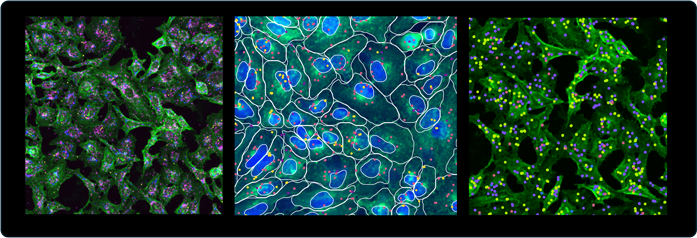
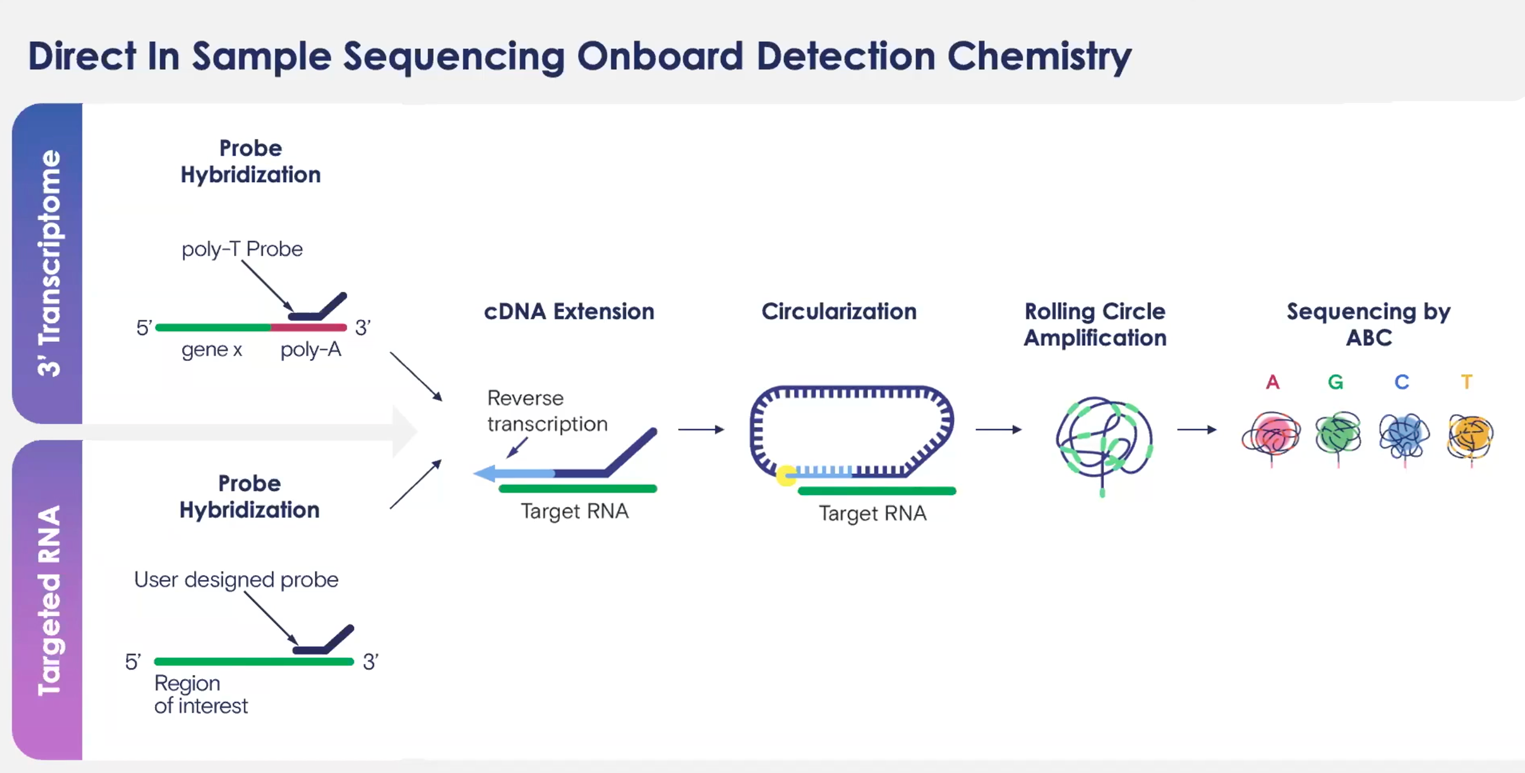
Teton Atlas is a multiomic technology from Element Biosciences that enables Direct In Sample Sequencing (DISS) on the AVITI24 System. It is an evolution of the Teton Cytoprofiling platform, expanding its capabilities from targeted RNA counting to direct sequencing of RNA, protein, and morphology within intact cells, without requiring traditional library preparation. This eliminates extensive manual work and preserves the native biological context of the sample.
Key features
| Teton Atlas Low Output (now available) | Teton Atlas High Output (coming in Q4 2025) | |
|---|---|---|
| Cell Paint | 3-plex | 6-plex |
| RNA counting | - | 3' WT or up to 500 Genes |
| RNA sequencing | Up to 100bp | Up to 100bp |
| Protein | Up to 88-plex | Up to 88-plex |
Advantages
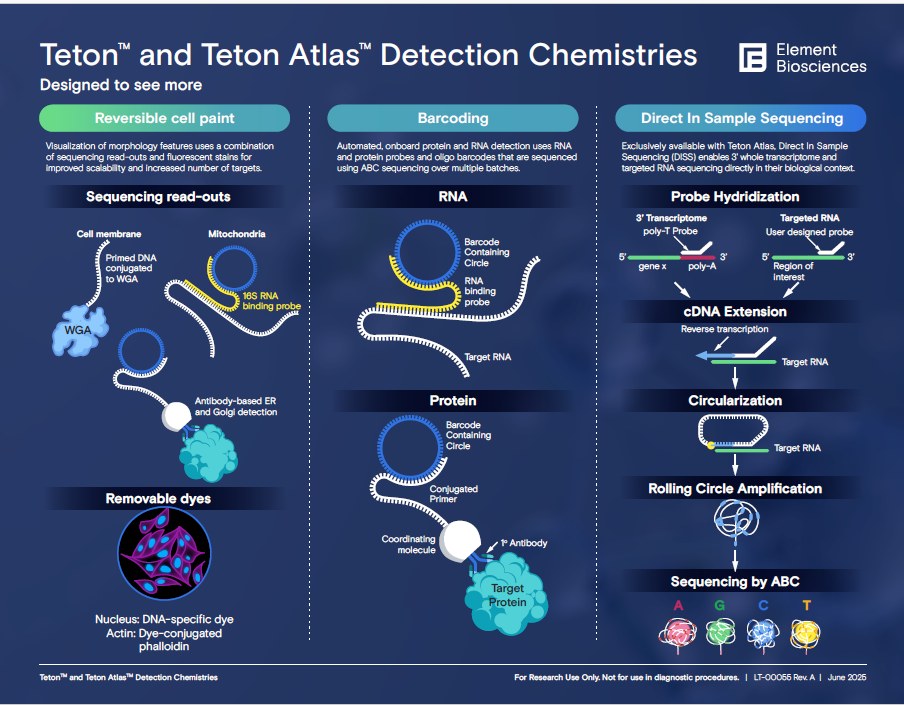
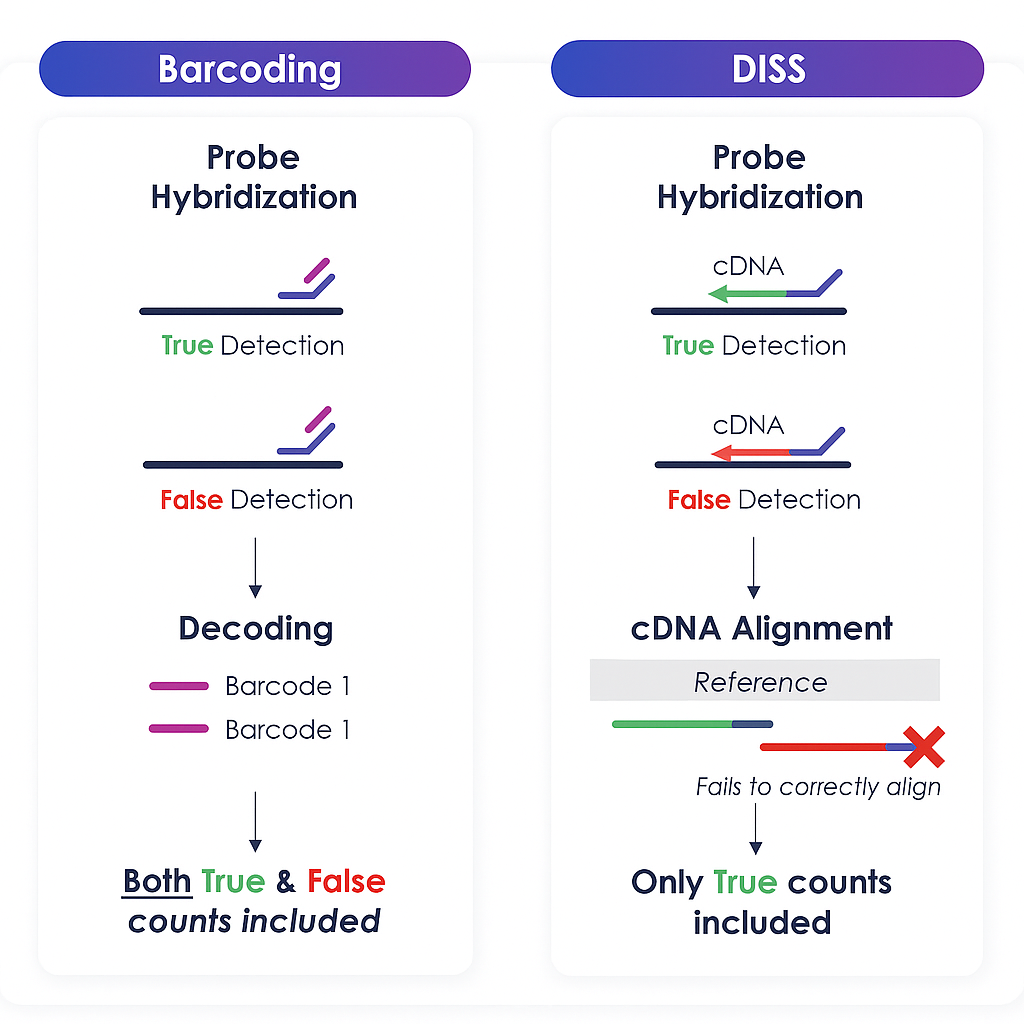
Direct In Sample Sequencing (DISS) is a workflow on the Element Biosciences AVITI24 System that eliminates the need for traditional library preparation by directly sequencing nucleic acids within intact cells. As part of the Teton Atlas platform, DISS enables simultaneous multiomic profiling of RNA, proteins, and cell morphology at single-cell resolution.
Key features

N6 Tec is a company that develops advanced technology for the field of genomics, with a focus on improving the processes of DNA amplification and sequencing. Their main product is called iconPCR™
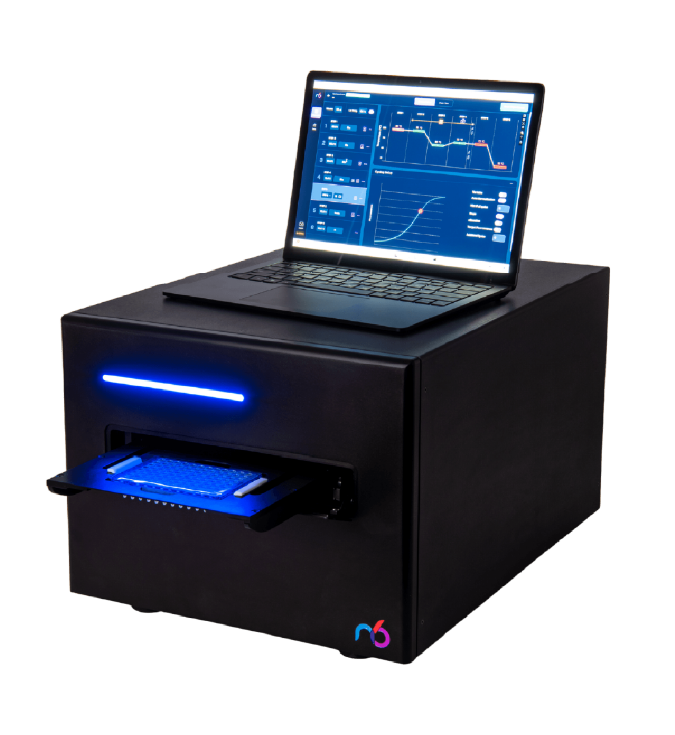
iconPCR™ is the first and only technology that intelligently adjusts amplification in real time (with AutoNorm) —so you get normalized, sequencing-ready libraries in one automated step, with no individual cleanup or extra reagents, while getting the best possible data from every sample.

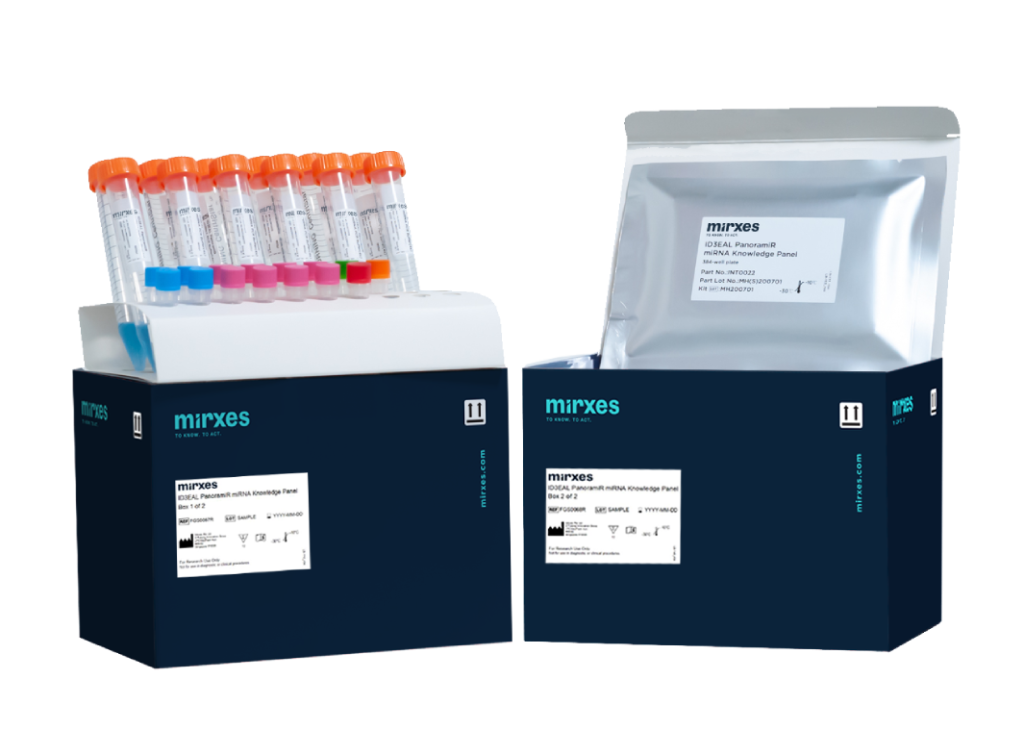
Exceptional miRNA detection powered by
the class-leading ID3EAL RT-qPCR technology
The ID3EAL™ PanoramiR Knowledge Panel is an effective approach for profiling miRNAs important in biological processes, disease mechanisms, or biomarker discovery for clinical applications such as disease diagnosis and prognosis, disease stratification or treatment selection.